

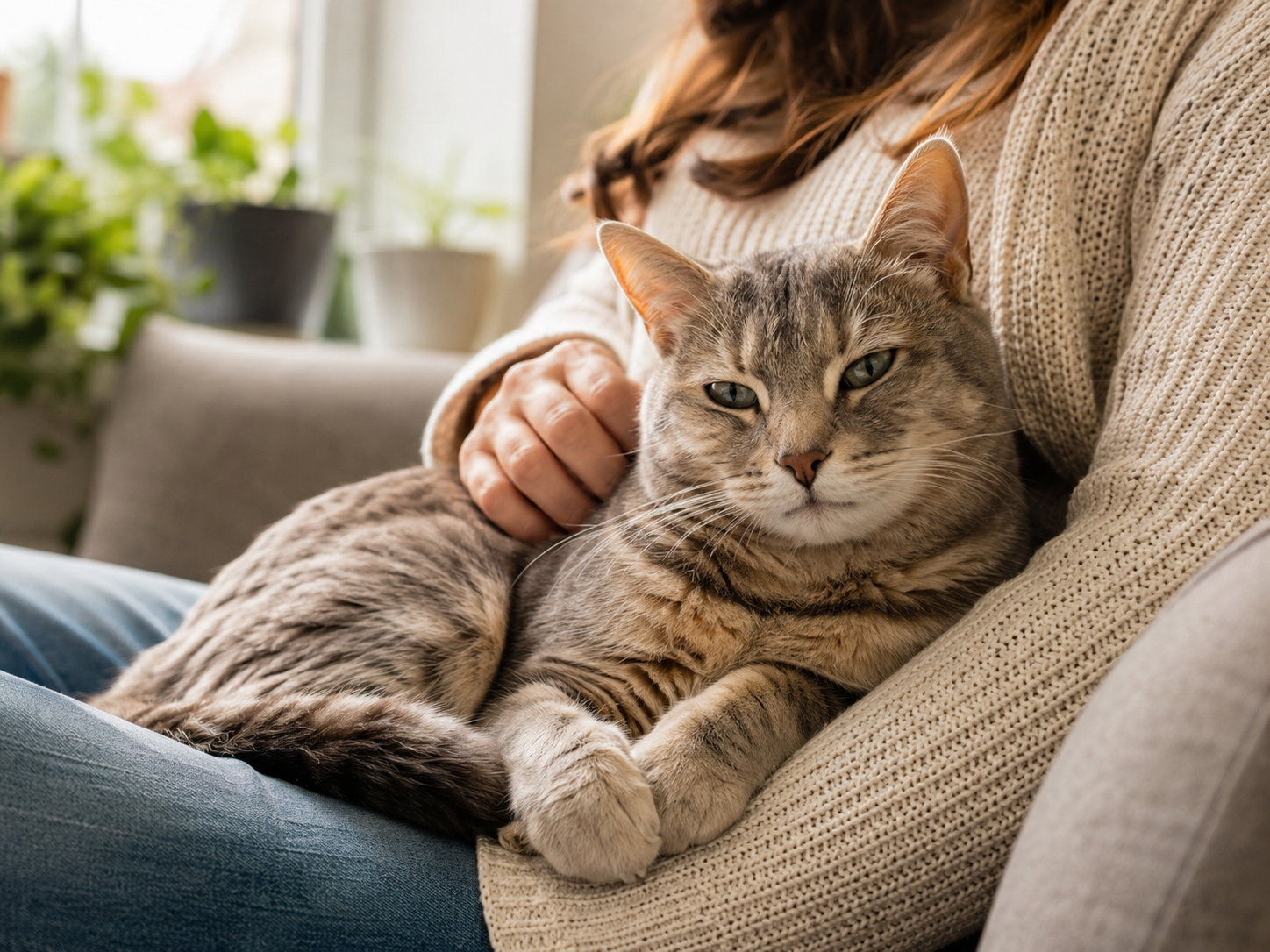
Why Do Cats Purr? The Complete Guide to Cat Purring Meaning
Most cat parents hear that soft little rumble and instantly think, “My cat is happy.” Many times, that is true. But the full answer to why do cats purr is more interesting than simple happiness. Cats may purr when they feel safe, when they want attention, when they are being petted, when they are sleeping, when they are kneading, or even when they are stressed, uncomfortable, or unwell.
In other words, purring is one of the most beautiful and mysterious ways cats communicate. To understand your cat’s purr, you need to look at the whole situation: body language, environment, routine, appetite, energy level, and whether the purring is normal for your cat.
Article Index
- Quick Answer: Why Do Cats Purr?
- What Does Cat Purring Mean?
- Common Reasons Why Cats Purr
- Cat Purring Meaning Table
- Why Do Cats Purr When Happy?
- Why Do Cats Purr When You Pet Them?
- Why Do Cats Purr When You Stroke Them?
- Why Do Cats Purr On You?
- Why Do Cats Purr and Knead?
- Why Do Cats Purr When They Sleep?
- Why Do Cats Purr Loudly?
- Why Do Cats Purr So Loud?
- Why Do Cats Purr So Much?
- Why Do Cats Purr When They Are Dying?
- Warning Signs: When Purring May Mean Something Is Wrong
- How to Understand Your Cat’s Purr
- Common Mistakes Cat Owners Should Avoid
- Comfort and Prevention Tips for a Happy Cat
- FAQ About Why Cats Purr
- Final Thoughts
Quick Answer: Why Do Cats Purr?
Cats purr to communicate comfort, happiness, trust, affection, relaxation, attention, stress relief, or sometimes pain and illness. A happy cat may purr while being petted, sitting on your lap, kneading a blanket, or sleeping peacefully. However, cats may also purr to self-soothe when they are anxious, injured, sick, or near the end of life. The best way to understand your cat’s purr is to look at the full context, including body language, appetite, energy, breathing, and behavior changes.
Pet Health Disclaimer
This article is for general educational purposes only and is not a replacement for professional veterinary advice. If your cat is purring unusually, hiding, not eating, breathing differently, losing weight, crying, acting weak, or showing sudden behavior changes, contact a veterinarian as soon as possible.
What Does Cat Purring Mean?
Cat purring is a low, vibrating sound that often happens when a cat feels relaxed and safe. But purring is not a one-meaning behavior. It can be emotional, social, comforting, or even a sign that your cat is trying to cope with discomfort.
The meaning of a purr depends on the situation. A cat purring while curled up beside you with soft eyes and a relaxed body is probably content. A cat purring while hiding under the bed, refusing food, or breathing heavily may be stressed or unwell. That is why the question why do cats purr should always be answered with context.
Purring Is a Form of Communication
Cats use purring to communicate with humans, other cats, and sometimes themselves. Kittens purr around their mother, adult cats purr near trusted people, and many cats purr when they want food, comfort, attention, or reassurance.
Purring Can Also Be Self-Soothing
Just like people may hum, cry, breathe deeply, or hold something comforting when stressed, cats may purr to calm themselves. This is why purring can happen during stressful moments such as vet visits, injury, illness, or end-of-life situations.
Common Reasons Why Cats Purr
There are several common reasons why cats purr. Some are sweet and harmless, while others need careful attention.
- Happiness: Your cat feels relaxed, safe, and content.
- Affection: Your cat is bonding with you.
- Comfort: Your cat enjoys being petted, stroked, or held.
- Attention: Your cat wants food, play, warmth, or your presence.
- Relaxation: Your cat is settling down to rest or sleep.
- Kneading behavior: Your cat may purr while making “biscuits” on blankets, pillows, or your lap.
- Stress relief: Your cat may purr to calm itself in uncomfortable situations.
- Pain or illness: Some cats purr when they are not feeling well.
Cat Purring Meaning Table
The table below can help you understand what your cat’s purr may mean based on the situation.
| Purring Situation | Possible Meaning | Body Language to Check | What You Should Do |
|---|---|---|---|
| Purring while being petted | Comfort, trust, affection, enjoyment | Soft eyes, relaxed body, slow blinking, raised tail | Continue gently if your cat seems relaxed |
| Purring on your lap or chest | Bonding, safety, warmth, affection | Loose posture, gentle kneading, calm breathing | Let your cat rest and enjoy the bonding moment |
| Purring and kneading | Deep comfort, kitten-like relaxation, scent marking | Rhythmic paw movement, relaxed face, half-closed eyes | Place a soft blanket under their paws if claws hurt |
| Purring while sleeping | Relaxation, dreaming, comfort, light sleep response | Calm breathing, curled body, no distress signs | Usually no action needed |
| Purring loudly at mealtime | Excitement, request for food, attention-seeking | Walking around you, meowing, tail up | Keep feeding routines consistent |
| Purring while hiding or acting weak | Stress, fear, pain, illness, or discomfort | Low energy, hiding, poor appetite, tense posture | Monitor closely and contact a vet if symptoms continue |
| Purring near end of life | Self-soothing, seeking comfort, pain, distress, or reassurance | Weakness, appetite loss, breathing changes, confusion | Contact your veterinarian for urgent guidance |
Why Do Cats Purr When Happy?
Cats often purr when they are happy because purring is a natural way to express comfort and contentment. A happy purr usually happens when your cat feels safe, relaxed, and connected to you.
You may notice happy purring when your cat is lying in a sunny spot, curled up on a soft blanket, sitting on your lap, or enjoying gentle attention. This type of purring is usually paired with relaxed body language.
Signs Your Cat Is Purring From Happiness
- Soft or half-closed eyes
- Slow blinking
- Relaxed ears facing forward or slightly sideways
- Loose body posture
- Tail relaxed or gently curled
- Gentle head bumps or rubbing
- Calm breathing
When these signs appear together, your cat’s purr is most likely a sign of happiness, trust, and comfort.
Why Do Cats Purr When You Pet Them?
Cats purr when you pet them because gentle touch can make them feel safe, loved, and relaxed. For many cats, petting is a bonding experience. Your touch may remind them of grooming, warmth, and comfort.
However, not all cats enjoy the same type of petting. Some love chin scratches, some prefer gentle strokes along the back, and others only enjoy short petting sessions. A cat purring during petting is usually a good sign, but you should still watch for overstimulation.
Best Places to Pet a Cat
- Under the chin
- Behind the ears
- Along the cheeks
- Top of the head
- Along the back, if your cat enjoys it
Signs Your Cat Wants You to Stop Petting
- Tail flicking quickly
- Ears turning backward
- Skin twitching
- Sudden head turning toward your hand
- Restlessness
- Light biting or swatting
If your cat purrs but also shows these warning signs, they may be overstimulated. Stop petting and give them space.
Why Do Cats Purr When You Stroke Them?
Cats purr when you stroke them because slow, gentle strokes can feel calming. Stroking may help your cat relax, especially when it is done in the direction of the fur and in areas your cat likes.
The difference between petting and stroking is usually the motion. Petting may include scratches, pats, or short touches, while stroking is often a smooth, repeated movement. Many cats find this soothing because it creates rhythm, warmth, and predictable contact.
How to Stroke a Cat Properly
- Let your cat approach you first.
- Offer your hand slowly and allow your cat to sniff it.
- Start with gentle strokes on the head or cheeks.
- Move slowly and avoid rough pressure.
- Watch your cat’s tail, ears, and body posture.
- Stop before your cat becomes irritated.
Helpful Tip
Many cats prefer shorter, gentle attention instead of long petting sessions. A relaxed purr with soft eyes is a good sign, but a twitching tail or tense body means your cat may need a break.
Why Do Cats Purr On You?
Cats purr on you because they feel close to you. When your cat sits on your lap, chest, stomach, or legs and starts purring, it often means they trust you and see you as a safe place.
Your body gives warmth, comfort, scent, and a steady rhythm from breathing. For a cat, this can feel deeply calming. Some cats also purr on their owners to claim closeness, ask for attention, or settle down for a nap.
Common Reasons Cats Purr On People
- They feel safe with you.
- They want warmth.
- They are bonding with you.
- They want attention or affection.
- They enjoy your scent.
- They are getting ready to sleep.
- They are seeking comfort during stress.
If your cat purrs on you with a relaxed body, it is usually a beautiful sign of trust.
Why Do Cats Purr and Knead?
Cats purr and knead because the combination is strongly linked to comfort, safety, and early kitten behavior. Kneading is the rhythmic pushing motion cats make with their paws, often called “making biscuits.” Kittens knead their mother while nursing, and many adult cats keep this behavior because it feels comforting.
When an adult cat purrs and kneads on a blanket, pillow, bed, or your lap, it usually means they are relaxed and emotionally comfortable. Some cats also knead to mark their scent because their paws contain scent glands.
Why Does Kneading Hurt Sometimes?
Kneading can hurt because your cat may extend their claws while pushing their paws. This does not usually mean your cat is trying to hurt you. They may simply be relaxed and unaware that their claws are sharp.
How to Handle Purring and Kneading
- Place a soft blanket between your cat’s paws and your skin.
- Keep your cat’s nails trimmed safely.
- Do not punish your cat for kneading.
- Gently redirect them to a blanket if it becomes painful.
- Give them a cozy bed or soft surface for comfort.
Why Do Cats Purr When They Sleep?
Cats may purr when they sleep because they feel relaxed, safe, or lightly stimulated by dreams. Sometimes a cat that appears fully asleep may actually be in a light sleep stage and still responding to comfort, warmth, or touch.
A sleeping cat may also purr while curled up in a favorite bed, lying near you, or resting in a warm spot. If the purring is gentle and your cat’s breathing looks normal, this is usually harmless.
Normal Sleep Purring Signs
- Your cat is breathing calmly.
- The body looks relaxed.
- The purr is soft or steady.
- Your cat wakes up normally.
- There is no coughing, gasping, or distress.
When Sleep Purring May Be a Concern
Contact a vet if your cat purrs while sleeping but also has noisy breathing, open-mouth breathing, weakness, appetite loss, coughing, or sudden behavior changes. Purring alone may be normal, but purring with symptoms should not be ignored.
Why Do Cats Purr Loudly?
Cats purr loudly for different reasons. Some cats naturally have louder purrs because of their body size, personality, breed traits, or individual vocal style. Other cats purr loudly when they are extremely happy, excited, hungry, relaxed, or seeking attention.
A loud purr is not automatically a problem. Many healthy cats have powerful purrs that sound like a tiny engine. The key is whether the loud purring is normal for your cat.
A Loud Purr Is Usually Normal When:
- Your cat has always purred loudly.
- Your cat is relaxed and comfortable.
- The purring happens during petting, cuddling, or mealtime.
- Your cat has normal appetite and energy.
- There are no signs of pain, stress, or illness.
Why Do Cats Purr So Loud?
If you are wondering why do cats purr so loud, the answer may be personality, excitement, communication, or strong emotion. Some cats use a louder purr to get your attention. They may purr loudly when they want food, want to sit with you, or want you to keep petting them.
Older cats may also become more vocal or more intense with their communication. However, a sudden change from quiet purring to very loud purring should be watched carefully, especially if your cat also seems restless, clingy, withdrawn, or uncomfortable.
Your Cat May Be Purring Loudly to Say:
- “I’m happy.”
- “Please keep petting me.”
- “I want food.”
- “I want to sit with you.”
- “I need comfort.”
- “Something feels different.”
Why Do Cats Purr So Much?
Some cats purr a lot because they are naturally affectionate, social, and expressive. A cat that purrs often may simply be comfortable around you. If your cat eats well, plays normally, uses the litter box, and behaves like usual, frequent purring is often nothing to worry about.
However, if your cat suddenly starts purring much more than normal, you should pay attention. Excessive purring can sometimes happen when cats are stressed, anxious, in pain, or trying to comfort themselves.
Normal Purring vs. Concerning Purring
| Type of Purring | Usually Normal | May Need Attention |
|---|---|---|
| Frequent happy purring | Happens during cuddles, naps, feeding, and petting | Not usually concerning if your cat acts normal |
| Sudden increase in purring | May happen after a positive routine change | Watch for pain, hiding, appetite loss, or weakness |
| Purring with clinginess | Some cats become extra affectionate | Could signal stress, discomfort, or need for reassurance |
| Purring while hiding | Less commonly a happy sign | May indicate fear, illness, pain, or anxiety |
| Purring with breathing changes | Not considered normal | Contact a vet urgently |
Why Do Cats Purr When They Are Dying?
This is a painful but important question. Cats may purr when they are dying because purring can be a self-soothing behavior. A very sick or elderly cat may purr to comfort themselves, seek reassurance, or communicate that they need closeness. In some cases, a dying cat may purr even when they are weak, in pain, or confused.
It is important not to assume that purring means your cat is fine. Near the end of life, purring may happen alongside serious signs such as not eating, hiding, extreme weakness, poor grooming, breathing changes, confusion, low body temperature, or loss of interest in normal activities.
Important End-of-Life Warning
If your cat is elderly, very sick, or suddenly declining and is purring while also showing signs of pain, weakness, appetite loss, hiding, or breathing difficulty, contact a veterinarian immediately. Your vet can help assess comfort, pain management, quality of life, and next steps.
How to Comfort a Cat Near the End of Life
- Keep your cat in a quiet, warm, and familiar space.
- Offer soft bedding and easy access to water.
- Do not force food or movement.
- Speak gently and stay nearby if your cat wants company.
- Contact your vet for pain control and quality-of-life guidance.
- Avoid delaying care if your cat appears to be suffering.
Warning Signs: When Purring May Mean Something Is Wrong
Purring is often sweet, but it should not be the only thing you use to judge your cat’s health. A sick cat may still purr. Some cats hide pain very well, so changes in routine and body language matter.
Call a Vet If Purring Happens With:
- Loss of appetite
- Sudden hiding
- Weakness or lethargy
- Difficulty breathing
- Open-mouth breathing
- Vomiting or diarrhea
- Weight loss
- Limping or stiffness
- Growling, crying, or unusual aggression
- Not using the litter box normally
- Confusion or disorientation
- Sudden personality changes
Emergency Note
Open-mouth breathing, blue or pale gums, collapse, severe weakness, or struggling to breathe should be treated as urgent. Contact an emergency veterinarian right away.
How to Understand Your Cat’s Purr
To understand your cat’s purr, look beyond the sound. Think about what is happening before, during, and after the purring.
Step-by-Step Guide to Reading Your Cat’s Purr
- Check the situation: Is your cat being petted, eating, sleeping, hiding, or visiting the vet?
- Look at the body: Is your cat relaxed, tense, curled up, stretched out, or crouched?
- Watch the eyes: Soft blinking usually means comfort, while wide eyes may mean fear or alertness.
- Check the ears and tail: Relaxed ears and a calm tail are good signs. Flattened ears or fast tail flicking may mean irritation.
- Notice routine changes: Eating, drinking, litter box habits, sleep, and playtime should remain normal.
- Compare with your cat’s normal behavior: Every cat has a different purr style.
Common Mistakes Cat Owners Should Avoid
Because purring is often linked with happiness, many cat owners misunderstand it. Avoid these common mistakes when trying to understand your cat’s behavior.
Mistake 1: Thinking Purring Always Means Happiness
This is the biggest mistake. Cats can purr when they are happy, but they can also purr when they are stressed, sick, injured, or seeking comfort.
Mistake 2: Ignoring Sudden Changes
If your cat’s purring suddenly becomes louder, more frequent, weaker, or different, pay attention. A sudden behavior change can be your cat’s way of telling you something is wrong.
Mistake 3: Petting Too Long Because Your Cat Is Purring
Some cats purr during petting but still become overstimulated. Watch for tail flicking, skin twitching, or sudden biting. Purring does not always mean “keep going forever.”
Mistake 4: Not Checking Other Symptoms
A purring cat can still be unwell. Always check appetite, water intake, litter box habits, movement, breathing, and energy level.
Comfort and Prevention Tips for a Happy Cat
You cannot control every reason your cat purrs, but you can create a safe, comfortable environment that encourages happy purring and reduces stress.
Practical Tips to Keep Your Cat Comfortable
- Keep feeding times consistent.
- Provide fresh water daily.
- Offer cozy beds and warm resting spots.
- Give your cat vertical spaces like cat trees or shelves.
- Use gentle play to reduce boredom.
- Respect your cat’s boundaries during petting.
- Keep the litter box clean.
- Schedule regular vet checkups.
- Watch for changes in appetite, grooming, and behavior.
- Create quiet hiding spots for stress relief.
Helpful Comfort Items for Cats
| Comfort Item | Why It Helps | Best For |
|---|---|---|
| Soft cat bed | Gives your cat a warm and secure resting place | Sleeping, relaxing, senior cats |
| Cat tree | Provides height, security, exercise, and territory | Active cats, multi-cat homes, indoor cats |
| Blanket | Encourages kneading and cozy resting | Cats that purr and knead |
| Interactive toys | Reduces boredom and supports natural hunting behavior | Playful cats, bored cats, indoor cats |
| Quiet hiding space | Helps cats feel safe during stress | Anxious cats, new cats, loud households |
FAQ About Why Cats Purr
Why do cats purr?
Cats purr for many reasons, including happiness, comfort, affection, attention, bonding, stress relief, and sometimes pain or illness. The meaning depends on your cat’s body language and situation.
Why do cats purr loudly?
Cats may purr loudly because they are very relaxed, excited, affectionate, hungry, or naturally expressive. Some cats simply have louder purrs than others.
Why do cats purr when you pet them?
Cats often purr when you pet them because they enjoy the attention and feel safe with you. Gentle petting can create comfort, trust, and bonding.
Why do cats purr when they sleep?
Cats may purr while sleeping because they feel relaxed, safe, or lightly dreaming. If your cat’s breathing is normal and they act healthy when awake, sleep purring is usually not a concern.
Why do cats purr when happy?
Happy cats purr as a sign of comfort and contentment. This often happens when they are resting, cuddling, being stroked, or spending time with someone they trust.
Why do cats purr on you?
Cats purr on you because they feel safe, warm, and connected to you. It can be a sign of affection, bonding, trust, and comfort.
Why do cats purr so loud?
A cat may purr very loudly because of excitement, happiness, attention-seeking, or individual personality. If loud purring is sudden and comes with illness signs, contact a vet.
Why do cats purr so much?
Some cats purr often because they are affectionate and comfortable. However, sudden excessive purring may also happen with stress, pain, or illness, so look for other symptoms.
Why do cats purr and knead?
Cats purr and knead when they feel deeply comfortable. Kneading is linked to kitten behavior, relaxation, affection, and sometimes scent marking.
Why do cats purr when they are dying?
Cats may purr when they are dying as a way to self-soothe, seek comfort, or cope with pain and stress. Purring near end of life does not always mean the cat is comfortable, so veterinary guidance is important.
Is cat purring always a good sign?
No. Purring is often a good sign, but not always. Cats may also purr when they are anxious, injured, sick, or uncomfortable. Always check the full situation.
Should I worry if my cat suddenly purrs differently?
Yes, you should pay attention. A sudden change in purring volume, frequency, or behavior may be harmless, but it can also signal stress or illness, especially if your cat is hiding, weak, or not eating.
Final Thoughts
So, why do cats purr? Most of the time, cats purr because they feel safe, happy, affectionate, or relaxed. They may purr when you pet them, stroke them, sit near them, or when they curl up to sleep. They may also purr loudly when excited, purr on you to bond, or purr and knead when they feel deeply comfortable.
But purring is not always simple. Cats can also purr when they are stressed, sick, in pain, or near the end of life. The best way to understand your cat is to look at the whole picture: body language, appetite, energy, breathing, routine, and any sudden behavior changes.
When your cat purrs with soft eyes, a relaxed body, and peaceful behavior, enjoy the moment. It is one of the sweetest signs of trust a cat can give. But if the purring feels unusual or comes with warning signs, it is always better to ask your veterinarian for advice.
Give Your Cat a More Comfortable Life
Your cat’s purr is a small sound with a big meaning. Support their comfort with cozy beds, safe resting spaces, enriching toys, and a calm home environment that helps them feel loved every day.

Leave a comment
This site is protected by hCaptcha and the hCaptcha Privacy Policy and Terms of Service apply.