

Can Cats Drink Milk? A Complete Guide for Cat Owners
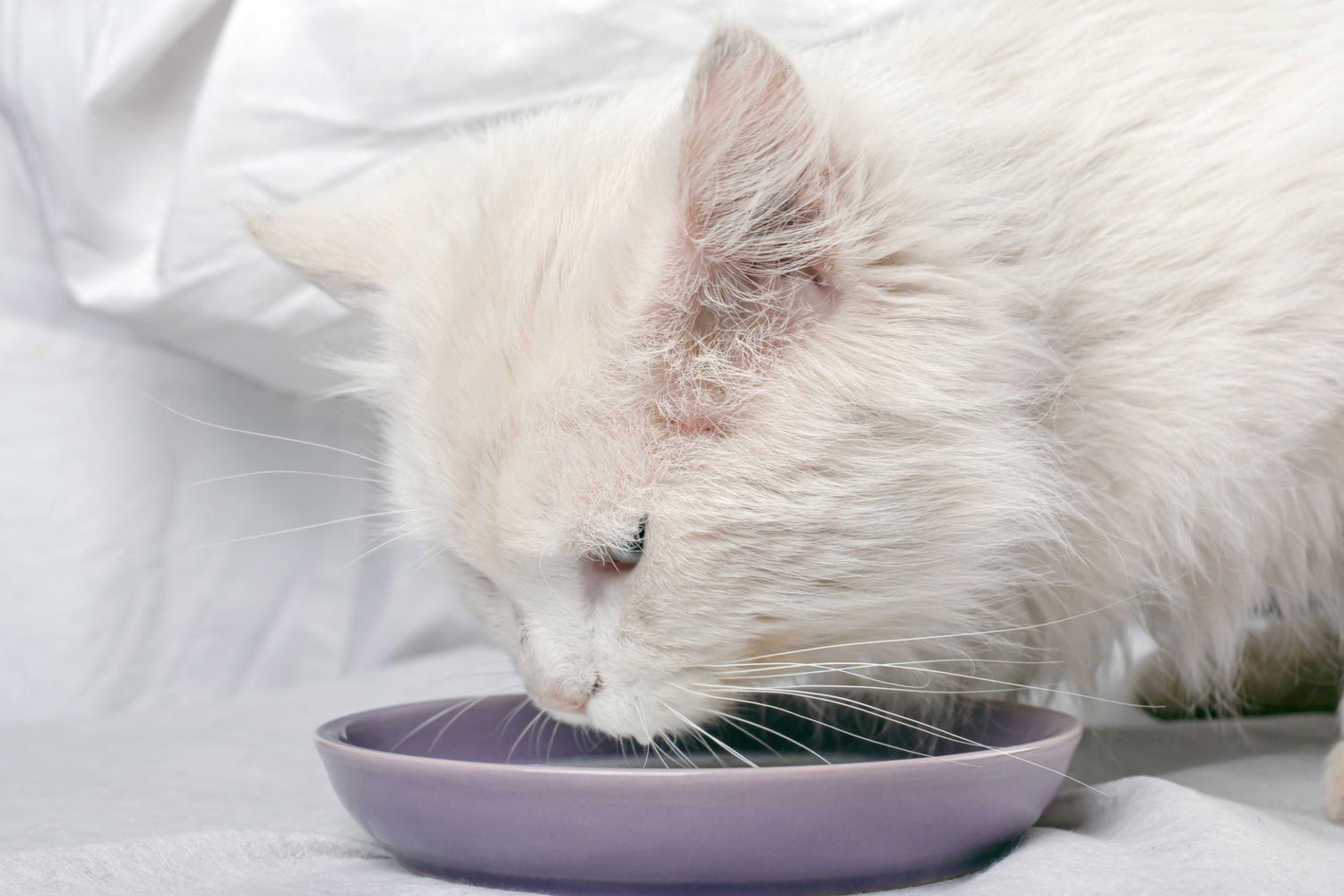
Cartoons, storybooks, and old movies often show happy cats drinking milk from a saucer. This familiar image has led many people to assume that milk is a natural and healthy treat for cats. In reality, the answer to “Can cats drink milk?” is more complicated.
Most adult cats should not drink regular cow’s milk because they have difficulty digesting lactose, the natural sugar found in dairy products. Drinking milk may cause diarrhea, vomiting, gas, bloating, or abdominal discomfort. Even cats that appear able to tolerate milk do not need it as part of a balanced diet.
Kittens are able to digest their mother’s milk during the early stages of life, but that does not mean cow’s milk is a suitable replacement. Orphaned or rejected kittens need a properly formulated kitten milk replacer that meets their nutritional requirements.
This guide explains why many cats cannot digest milk, which types of milk should be avoided, whether lactose-free cat milk is safe, what kittens should drink, and what to do if your cat accidentally laps up some milk.
Quick Answer: Can Cats Drink Milk?
Most adult cats should not drink regular cow’s milk because many are lactose intolerant. Milk can cause diarrhea, vomiting, gas, bloating, and stomach discomfort. Fresh water is the safest everyday drink for cats. Lactose-free milk made specifically for cats may be offered occasionally in a small amount, but it is a treat rather than a nutritional necessity. Kittens should receive their mother’s milk or a veterinarian-approved kitten milk replacer, never regular cow’s milk.
Why Do Cats Like Milk if It Is Not Good for Them?
Many cats are attracted to milk because of its smell, fat content, creamy texture, and familiar taste. A cat may eagerly drink something that is not ideal for its digestive system, just as people sometimes enjoy foods that later cause stomach discomfort.
A cat’s willingness to drink milk does not prove that the milk is healthy or easy to digest. Cats do not understand lactose intolerance, calorie intake, or nutritional balance. They simply respond to an appealing taste and smell.
Some cats may drink milk without developing obvious symptoms, while others may experience diarrhea after only a small serving. Individual tolerance varies, but regular cow’s milk is still unnecessary for adult cats.
Why Is Regular Milk Bad for Cats?
Regular milk can be problematic for cats for several reasons. Lactose is the main concern, but excess calories, fat, nutritional imbalance, and contamination risks may also matter.
1. Milk Contains Lactose
Lactose is a natural sugar found in cow’s milk, goat milk, and many other dairy products. The digestive system needs an enzyme called lactase to break lactose into smaller sugars that the body can absorb.
Many adult cats produce only a limited amount of lactase. When lactose is not properly digested, it remains in the intestines, where it can draw in water and be fermented by intestinal bacteria. This process may cause gas, loose stool, bloating, and abdominal discomfort.
2. Milk Adds Unnecessary Calories
Milk may seem like a light drink, but it contains calories that can add up quickly—especially for an indoor cat with a small daily calorie requirement.
Frequent milk servings can contribute to weight gain without providing anything that a cat eating a complete and balanced diet truly needs. Overweight cats face a greater risk of mobility problems and several chronic health concerns.
3. Milk Can Disrupt a Balanced Diet
Cats are obligate carnivores with specific nutritional requirements. A complete commercial cat food is formulated to provide the appropriate balance of protein, fat, amino acids, vitamins, and minerals.
Filling up on milk may cause a cat to eat less of its nutritionally balanced food. This is particularly concerning for kittens, underweight cats, senior cats, and cats with medical conditions.
4. Raw Milk Can Carry Serious Health Risks
Cats should never be given raw or unpasteurized milk. Raw milk may contain disease-causing bacteria and other pathogens. It has also been identified as a possible source of H5N1 avian influenza infection in cats.
Pasteurization reduces infectious risks, but pasteurized cow’s milk still contains lactose and is not an appropriate everyday drink for most cats.
Are Cats Lactose Intolerant?
Many adult cats are lactose intolerant, although the level of intolerance varies from one cat to another. Lactose intolerance means the digestive system cannot efficiently break down the lactose in milk.
Newborn kittens produce lactase because they need to digest their mother’s milk. As kittens are weaned and begin eating solid food, lactase production commonly decreases. That is why an adult cat may struggle with dairy even though milk was essential during kittenhood.
Lactose Intolerance Versus a Milk Allergy
Lactose intolerance and a dairy allergy are not the same condition.
| Condition | What Causes It? | Possible Symptoms |
|---|---|---|
| Lactose intolerance | Insufficient lactase enzyme to digest lactose | Diarrhea, gas, bloating, vomiting, and abdominal discomfort |
| Dairy allergy | An immune reaction to one or more milk proteins | Digestive upset, itching, skin inflammation, or other allergic symptoms |
A veterinarian should evaluate recurring symptoms rather than assuming that every digestive reaction is caused by lactose. Parasites, infections, dietary changes, food sensitivities, and other medical problems can also cause vomiting or diarrhea.
What Happens When a Lactose-Intolerant Cat Drinks Milk?
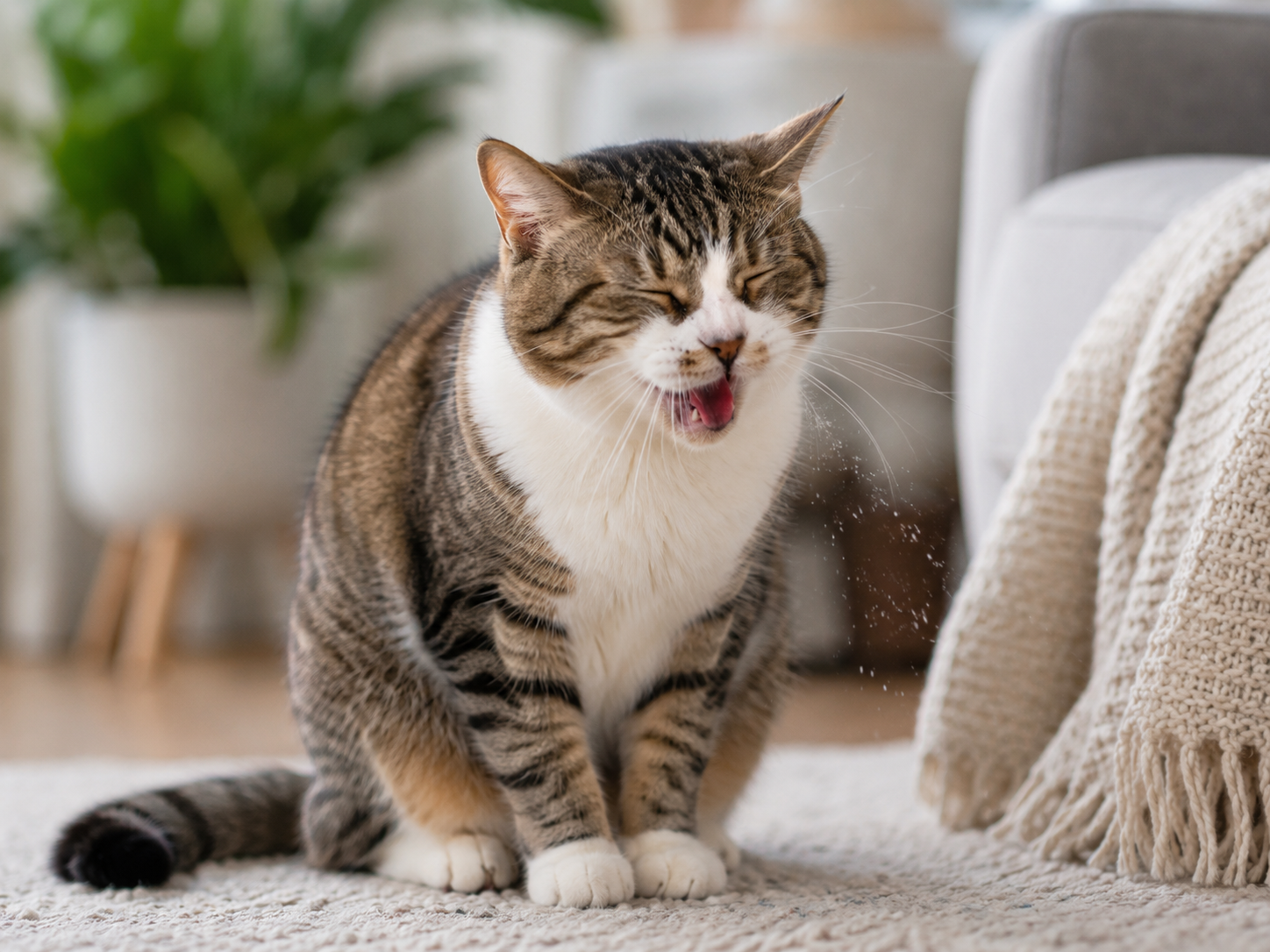
Symptoms may begin within several hours of drinking milk, although timing and severity can vary. Some cats experience only mild gas, while others develop noticeable diarrhea or vomiting.
Common Signs of Milk Intolerance in Cats
- Loose stool or diarrhea
- Vomiting
- Gas or increased flatulence
- Bloating
- Gurgling sounds from the abdomen
- Abdominal discomfort
- Restlessness
- Reduced appetite
- Increased litter box visits
- Soiling around the tail or back legs
Mild digestive upset may resolve after the milk has passed through the digestive system. However, repeated vomiting or diarrhea can lead to dehydration, particularly in kittens, senior cats, and cats with existing health problems.
| What You Notice | Possible Concern | Recommended Response |
|---|---|---|
| A small lick with no symptoms | Low immediate concern in a healthy adult cat | Remove the milk and monitor your cat |
| Mild gas or one loose stool | Possible lactose intolerance | Provide water, stop dairy, and observe closely |
| Repeated diarrhea or vomiting | Dehydration or a more significant digestive reaction | Contact your veterinarian |
| Weakness, collapse, breathing changes, or severe lethargy | Possible emergency or an unrelated serious condition | Seek urgent veterinary care |
Can Kittens Drink Cow’s Milk?
Kittens should not be fed regular cow’s milk. Although young kittens are designed to digest their mother’s milk, cow’s milk has a different nutritional composition and does not provide the correct balance for feline growth.
Compared with a mother cat’s milk, cow’s milk is lower in several nutrients kittens need and contains more lactose. Feeding cow’s milk may cause diarrhea while failing to provide adequate protein, fat, taurine, calories, and minerals.
What Should an Orphaned Kitten Drink?
An orphaned, rejected, or inadequately nursing kitten should receive a commercial kitten milk replacer recommended by a veterinarian. These products are specially formulated to resemble the nutritional profile of a mother cat’s milk.
Very young kittens require careful feeding schedules, appropriate bottle or syringe techniques, correct formula temperature, assistance with toileting, and regular weight monitoring. Incorrect feeding can cause aspiration, dehydration, digestive problems, or inadequate growth.
Contact a veterinarian or experienced kitten rescue organization immediately if you find a newborn kitten without its mother. Do not rely on homemade milk mixtures unless a veterinarian gives temporary emergency instructions.
Warning Signs in a Bottle-Fed Kitten
- Refusing to suckle
- Milk coming from the nose
- Coughing or choking during feeding
- Persistent diarrhea
- Vomiting
- A swollen or painful abdomen
- Weakness or unusual crying
- Feeling cold
- Failure to gain weight
- Rapid or difficult breathing
These symptoms require prompt veterinary advice because young kittens can deteriorate quickly.
Which Types of Milk Can Cats Drink?
Not every product called “milk” has the same ingredients, but most are unnecessary for cats. The following table compares common milk options.
| Type of Milk | Suitable for Cats? | Important Notes |
|---|---|---|
| Regular cow’s milk | Generally no | Contains lactose and may cause digestive upset |
| Raw or unpasteurized milk | No | May contain harmful pathogens and has been associated with H5N1 risk in cats |
| Goat milk | Not recommended | Still contains lactose and can cause stomach problems |
| Lactose-free human milk | Usually unnecessary | May still be high in calories and dairy proteins |
| Commercial lactose-free cat milk | Occasionally | Use as a small treat and follow the product instructions |
| Kitten milk replacer | Yes, for kittens when needed | Use under veterinary guidance and prepare exactly as directed |
| Almond, oat, soy, or coconut milk | Not recommended | Provides no necessary benefit and may contain sugar, flavoring, oils, or additives |
| Condensed or evaporated milk | No | Often concentrated and high in lactose, sugar, fat, or calories |
| Chocolate or flavored milk | Never | May contain chocolate, caffeine, sugar, sweeteners, or other unsafe ingredients |
Can Cats Drink Lactose-Free Cat Milk?
Commercial cat milk is usually formulated with little or no lactose, making it less likely to cause the digestive symptoms associated with regular cow’s milk.
However, lactose-free cat milk should still be considered an occasional treat rather than an essential part of your cat’s diet. It contains calories and may reduce interest in balanced cat food when offered too frequently.
How to Offer Cat Milk More Safely
- Choose a product made specifically for cats.
- Read the ingredient list and feeding instructions.
- Offer only a small serving.
- Introduce it gradually the first time.
- Do not replace fresh water with cat milk.
- Count it as a treat rather than part of the main diet.
- Stop offering it if vomiting, diarrhea, itching, or discomfort develops.
- Ask your veterinarian before giving it to a cat on a therapeutic diet.
Cats with obesity, diabetes, digestive disorders, kidney disease, food allergies, or other medical conditions may need to avoid cat milk entirely.
Can Cats Drink Goat Milk?
Goat milk is sometimes promoted as easier to digest than cow’s milk, but it still contains lactose. A lactose-intolerant cat can therefore develop diarrhea, gas, bloating, or vomiting after drinking it.
Raw goat milk carries additional risks because it may contain harmful microorganisms. Goat milk is not a complete replacement for water, balanced cat food, a mother cat’s milk, or a properly formulated kitten milk replacer.
Unless your veterinarian recommends a specific veterinary product for a particular reason, there is no need to give goat milk to your cat.
Can Cats Drink Almond Milk, Oat Milk, Soy Milk, or Coconut Milk?
Plant-based milk does not contain lactose, but that does not automatically make it appropriate for cats. These drinks are designed for people and provide no necessary nutritional benefit to a cat.
Depending on the product, plant milk may contain:
- Added sugar
- Artificial flavoring
- Vegetable oils
- Salt
- Thickeners and gums
- Preservatives
- Chocolate or coffee flavoring
- Other ingredients unsuitable for pets
A tiny accidental lick of plain, unsweetened plant milk may not cause a problem in a healthy adult cat, but it should not become a regular drink. Check the ingredients and contact your veterinarian if the product was flavored or if your cat develops symptoms.
Can Cats Eat Cheese, Cream, Yogurt, or Other Dairy Products?
Other dairy products can also cause problems. Some contain less lactose than milk, but they may be high in fat, salt, sugar, or calories.
| Dairy Product | Main Concern | General Guidance |
|---|---|---|
| Cheese | Fat, salt, calories, and possible lactose | Not recommended as a regular treat |
| Cream | Very high fat and calories | Avoid routine feeding |
| Plain yogurt | Dairy proteins, residual lactose, calories, and possible intolerance | Only offer when approved for your individual cat |
| Ice cream | Sugar, fat, lactose, chocolate, flavoring, or sweeteners | Do not give to cats |
| Butter | Concentrated fat and unnecessary calories | Keep away from your cat |
A small amount of dairy may occasionally be hidden inside a veterinary medication or used by a veterinarian for a specific purpose. Follow professional instructions rather than adding dairy to your cat’s diet independently.
What Should I Do if My Cat Accidentally Drank Milk?
A healthy adult cat that takes one or two licks of pasteurized cow’s milk will not necessarily become seriously ill. Remove the remaining milk and observe your cat closely.
Practical Steps to Follow
- Remove the milk. Prevent your cat from drinking more.
- Identify the product. Check whether it was regular, raw, flavored, condensed, plant-based, or lactose-free milk.
- Check the ingredients. Look for chocolate, coffee, alcohol, sweeteners, flavoring, or other potentially harmful additives.
- Estimate the amount. Note whether your cat took a lick or drank a large serving.
- Provide fresh water. Keep clean drinking water available.
- Continue the normal diet. Do not give additional dairy or introduce unfamiliar foods.
- Monitor for symptoms. Watch for diarrhea, vomiting, bloating, discomfort, appetite loss, or unusual behavior.
- Contact your veterinarian when necessary. Be ready to provide the product name, ingredients, amount, and time of ingestion.
Important: Contact a veterinarian promptly if your cat drank raw milk, a large amount of milk, chocolate milk, coffee-flavored milk, an alcoholic cream drink, or any product containing questionable ingredients.
When Should I Contact a Veterinarian After My Cat Drinks Milk?
Contact your veterinarian if your cat develops persistent or worsening symptoms. Young kittens, senior cats, and cats with chronic health problems may be more vulnerable to dehydration and complications.
Warning Signs That Require Veterinary Advice
- Repeated vomiting
- Frequent or severe diarrhea
- Blood in vomit or stool
- A swollen, hard, or painful abdomen
- Refusal to eat or drink
- Extreme tiredness or weakness
- Signs of dehydration
- Tremors, poor balance, or unusual behavior
- Facial swelling, itching, or another possible allergic reaction
- Rapid, difficult, or open-mouth breathing
- Collapse or loss of responsiveness
Breathing difficulty, collapse, severe weakness, repeated bloody diarrhea, or suspected exposure to a toxic ingredient should be treated as an emergency.
What Should Cats Drink Instead of Milk?
Fresh, clean water is the best everyday drink for cats. Water supports digestion, circulation, temperature regulation, kidney function, and normal urinary health without adding unnecessary calories.
Cats eating wet food also receive a meaningful amount of moisture from their meals. However, they should still have unrestricted access to fresh drinking water unless a veterinarian provides different instructions.
Drinks for Cats at a Glance
| Drink | Suitable for Daily Use? | Notes |
|---|---|---|
| Fresh water | Yes | The best primary drink for cats |
| Water from wet cat food | Yes | Supports total moisture intake but does not replace access to water |
| Veterinary hydration product | Only when recommended | Use according to veterinary guidance |
| Lactose-free cat milk | No | An occasional treat, not a replacement for water |
How Can I Encourage My Cat to Drink More Water?
Some cats naturally drink small amounts, particularly when they eat moisture-rich food. However, there are several ways to make water more appealing.
Place Water in Several Quiet Locations
Provide multiple bowls around the home, especially in multi-level houses. Keep water away from noisy appliances, busy doorways, and areas where another pet may block access.
Keep Water Away From the Litter Box
Place drinking water far from the litter box. Some cats also prefer their water to be positioned separately from their food.
Try Wide, Shallow Bowls
Some cats prefer a bowl that does not press against their whiskers. Stainless steel, glass, and ceramic bowls are generally easier to clean than scratched plastic.
Refresh the Water Regularly
Replace the water at least daily and wash the bowls frequently. Food particles, dust, fur, and saliva can make standing water less appealing.
Consider a Cat Water Fountain
Some cats are attracted to moving water. A properly maintained fountain may encourage drinking, but it must be cleaned regularly and its filter changed as directed.
Discuss Wet Food With Your Veterinarian
Wet food can increase dietary moisture. Ask your veterinarian before making major changes, particularly when your cat has allergies, kidney disease, urinary problems, diabetes, or another condition requiring a controlled diet.
Common Mistakes to Avoid When Giving Drinks to Cats
Do Not Replace Water With Milk
Milk does not provide appropriate everyday hydration. Your cat should always have access to clean, fresh water.
Do Not Give Cow’s Milk to an Orphaned Kitten
Cow’s milk is not nutritionally suitable for kittens and may cause diarrhea. Use an appropriate kitten milk replacer under veterinary guidance.
Do Not Assume Goat Milk Is Lactose-Free
Goat milk still contains lactose and may cause the same type of digestive symptoms as cow’s milk.
Never Give Raw or Unpasteurized Milk
Raw milk can expose cats to dangerous pathogens. Choose safe, commercially prepared products and follow veterinary advice.
Do Not Ignore the Ingredient List
Flavored milk, coffee drinks, shakes, protein beverages, and plant-based drinks may contain ingredients that are unsafe or inappropriate for cats.
Do Not Forget About Calories
Liquid treats still contribute calories. Frequent milk or treat drinks can encourage weight gain and reduce interest in balanced meals.
Do Not Use Milk as a Home Remedy
Milk does not treat dehydration, poisoning, constipation, respiratory illness, poor appetite, or digestive disease. Contact a veterinarian when your cat is unwell.
How Can I Prevent Milk-Related Stomach Problems in My Cat?
- Do not leave cereal bowls, glasses, or cups of milk unattended.
- Keep dairy products inside the refrigerator.
- Clear used dishes from tables and counters promptly.
- Ask family members not to offer milk to your cat.
- Explain to children that cats need water rather than cow’s milk.
- Use cat-safe treats instead of dairy products.
- Check the ingredients in liquid treats before buying them.
- Keep raw milk completely away from pets.
- Store kitten formula securely and prepare it exactly as directed.
- Contact your veterinarian when digestive symptoms repeatedly occur.
Consistency is important. A cat that receives milk from one family member may continue begging even when everyone else avoids offering it.
Frequently Asked Questions About Cats and Milk
Can cats drink a little bit of cow’s milk?
A tiny accidental lick may not cause symptoms in every healthy adult cat, but regular cow’s milk is not recommended. Because individual lactose tolerance is unpredictable, it is safer to offer water or an appropriate cat treat.
Can cats drink milk every day?
No. Regular milk can cause digestive upset and add unnecessary calories. Even lactose-free cat milk should be offered only occasionally and should never replace water or balanced cat food.
Can cats drink lactose-free human milk?
Removing lactose may reduce one digestive concern, but human lactose-free milk still contains calories, fat, and dairy proteins. It offers no essential benefit to a cat and may be unsuitable for cats with dairy allergies or medical conditions.
Can cats drink skimmed or low-fat milk?
Skimmed milk contains less fat than whole milk, but it still contains lactose. It can therefore cause diarrhea, gas, or stomach discomfort in lactose-intolerant cats.
Can cats drink pasteurized milk?
Pasteurization reduces the risk from many pathogens, but it does not remove the lactose from regular milk. Pasteurized cow’s milk is therefore still not recommended as a regular drink for cats.
Can cats drink raw milk?
No. Raw or unpasteurized milk can contain dangerous pathogens and has been associated with H5N1 exposure in cats. Keep raw milk away from pets.
Can kittens drink human baby formula?
Human infant formula is not designed to meet a kitten’s nutritional needs. Use a commercial kitten milk replacer recommended by a veterinarian.
Why can my cat drink milk without getting diarrhea?
Lactose tolerance varies. Your cat may tolerate a small amount without obvious symptoms, but that does not make milk nutritionally necessary. Larger or repeated servings may still cause problems and contribute extra calories.
Does lactose-free cat milk replace water?
No. Fresh water should remain your cat’s primary drink. Cat milk is an optional treat and should not be relied upon for everyday hydration.
Can cats have cream instead of milk?
Cream may contain less lactose than some milk products, but it is extremely high in fat and calories. It is not a healthy replacement for water or a suitable regular treat.
What is the best milk for cats?
Healthy adult cats do not need milk. Fresh water is the best drink. When an occasional milk-like treat is desired, use a lactose-free product made specifically for cats and follow the serving instructions. Young orphaned kittens need a properly formulated kitten milk replacer.
Veterinary Disclaimer
This article provides general educational information and is not a substitute for examination, diagnosis, or treatment by a qualified veterinarian. Contact your veterinarian for guidance based on your cat’s age, health, diet, and symptoms. Seek urgent veterinary care if your cat develops breathing difficulty, collapse, severe weakness, repeated vomiting, severe diarrhea, blood in the stool or vomit, or suspected exposure to a toxic ingredient.
Suggested SEO Image Alt Text
- White cat looking at a bowl of milk on a kitchen floor
- Can cats drink milk safely complete cat owner guide
- Cat drinking water instead of lactose-containing cow’s milk
- Signs of lactose intolerance after a cat drinks milk
- Comparison of safe and unsafe types of milk for cats
- Kitten drinking veterinarian-approved kitten milk replacer
- Lactose-free cat milk offered as an occasional treat
- Fresh water bowl providing healthy hydration for cats
- Cat owner reading the ingredients on a cat milk product
- Veterinarian advising an owner about milk and dairy for cats
Final Thoughts: Can Cats Drink Milk?
So, can cats drink milk? Although many cats enjoy the creamy taste, regular cow’s milk is not a healthy everyday drink. Most adult cats have difficulty digesting lactose, which can lead to diarrhea, vomiting, gas, bloating, and stomach discomfort.
Goat milk, cream, and many other dairy products are not reliable alternatives. Plant-based milk is also unnecessary and may contain sugar, flavoring, oils, or additives. Raw or unpasteurized milk should always be avoided because of the risk of dangerous pathogens.
Lactose-free cat milk may be offered occasionally in a small amount, but it remains a treat rather than a substitute for water. Kittens should drink their mother’s milk or an appropriately formulated kitten milk replacer—not cow’s milk or human infant formula.
The simplest and healthiest choice is fresh, clean water alongside a complete and balanced cat food. When your cat experiences vomiting, diarrhea, appetite loss, weakness, or another concerning symptom after drinking milk, contact your veterinarian for advice.
Support Your Cat’s Everyday Comfort
Healthy habits start with fresh water, balanced nutrition, comfortable resting spaces, and plenty of enrichment. Explore our cat-care guides and thoughtfully selected essentials designed to help your feline companion feel comfortable, active, and loved.

Leave a comment
This site is protected by hCaptcha and the hCaptcha Privacy Policy and Terms of Service apply.