

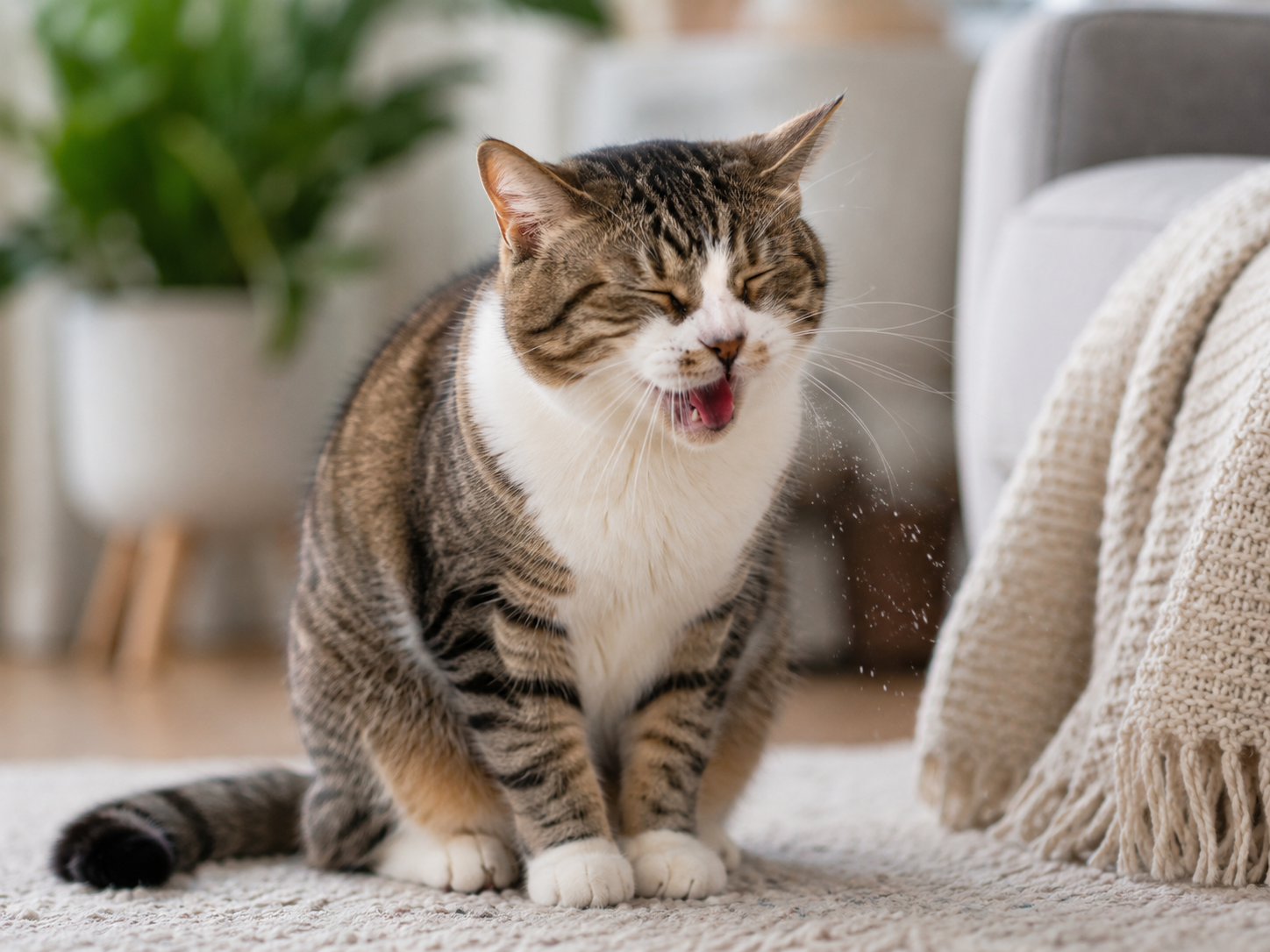
Why Does My Cat Keep Sneezing? Common Causes, Warning Signs, and What to Do
A single sneeze from your cat can be cute, surprising, and completely harmless. However, when the sneezing happens repeatedly, you may naturally start wondering, “Why does my cat keep sneezing?”
Cats sneeze for many of the same basic reasons people do. Dust, perfume, cleaning sprays, pollen, litter particles, or another irritant may briefly tickle the sensitive lining of the nose. Frequent sneezing, however, can also be connected to an upper respiratory infection, inflammation, dental disease, a nasal blockage, or another condition that requires veterinary care.
The best way to judge the situation is to look at the complete picture. Notice how often your cat sneezes, how long it has been happening, whether there is discharge from the eyes or nose, and whether your cat is still eating, playing, grooming, and breathing normally.
Quick Answer: Why Does My Cat Keep Sneezing?
Your cat may keep sneezing because of dust, scented products, dusty litter, dry air, allergies, or a mild irritation inside the nose. Repeated sneezing can also be a sign of a feline upper respiratory infection, especially when accompanied by watery eyes, nasal discharge, congestion, reduced appetite, fever, or low energy. Contact a veterinarian if the sneezing continues, becomes severe, or appears with breathing difficulty, blood, facial swelling, or refusal to eat.
What Does It Mean When a Cat Sneezes?
Sneezing is a protective reflex. It helps your cat force air through the nose to remove dust, mucus, particles, or other irritating material from the nasal passages.
An occasional sneeze does not automatically mean that your cat is sick. A small amount of dust, a loose strand of fur, or a strong smell can trigger one or two sneezes. Your cat should then return to normal without developing any other symptoms.
Frequent sneezing is different. Sneezing several times a day, having repeated sneezing attacks, or continuing to sneeze for multiple days may indicate that the lining of the nose is irritated or inflamed. The underlying cause may be environmental, infectious, dental, inflammatory, or structural.
Occasional Sneezing Versus Frequent Sneezing
| Sneezing Pattern | Possible Meaning | Recommended Response |
|---|---|---|
| One or two isolated sneezes | Dust, fur, litter particles, or a brief nose tickle | Observe your cat for additional symptoms |
| Repeated sneezing after a scented product is used | Environmental irritation | Remove the suspected irritant and ventilate the room |
| Daily sneezing lasting several days | Infection, inflammation, allergies, or another medical condition | Contact your veterinarian for advice |
| Sneezing with eye or nasal discharge | Upper respiratory disease or nasal inflammation | Arrange a veterinary examination |
| Sneezing with difficult or open-mouth breathing | Possible respiratory distress or serious obstruction | Seek urgent veterinary care |
What Are the Most Common Causes of Frequent Cat Sneezing?
There is no single explanation for every sneezing cat. Some causes are minor and temporary, while others need testing and treatment. The following are among the most common possibilities.
1. Environmental Irritants
Cats have sensitive noses. Airborne particles and strong scents can irritate their nasal passages and trigger repeated sneezing.
Common household irritants include:
- Dust and dust mites
- Dusty or scented cat litter
- Cigarette, cigar, or vape smoke
- Perfume, hairspray, and deodorizing sprays
- Scented candles and incense
- Aerosol cleaning products
- Paint fumes
- Essential oil diffusers
- Pollen entering through open windows
- Very dry indoor air
Irritation-related sneezing often begins soon after exposure. Your cat may otherwise behave normally, and the sneezing may improve once the irritant is removed.
2. Feline Upper Respiratory Infection
An upper respiratory infection, sometimes informally called “cat flu” or a “cat cold,” is a common reason for frequent sneezing. These infections affect the nose, throat, eyes, and upper airways.
Feline herpesvirus and feline calicivirus are frequent viral causes, although other viruses and bacteria may also be involved. Cats may be exposed through direct contact with an infected cat or through contaminated bowls, bedding, carriers, hands, or other shared items.
Symptoms may include:
- Frequent or forceful sneezing
- Clear, cloudy, yellow, or green nasal discharge
- Watery, red, swollen, or crusty eyes
- Nasal congestion or noisy breathing
- Squinting
- Reduced appetite
- Lethargy
- Fever
- Drooling or ulcers in the mouth
Kittens, senior cats, unvaccinated cats, shelter cats, and cats with weakened immune systems may be more vulnerable to complications.
3. Allergies or Airway Sensitivity
Cats can react to pollen, mold, dust, fragrances, and other environmental substances. However, sneezing alone does not prove that your cat has an allergy. Allergies in cats frequently cause skin itching or overgrooming, although coughing, wheezing, eye discharge, and sneezing can also occur.
A veterinarian may need to rule out infections, asthma, irritants, parasites, and other conditions before deciding that allergies are responsible.
4. Foreign Material Inside the Nose
A blade of grass, plant seed, small piece of debris, or another object may become lodged inside a nostril. This often causes sudden, intense sneezing.
Possible clues include:
- Sudden sneezing attacks
- Discharge from only one nostril
- Pawing or rubbing at the face
- Head shaking
- A small amount of blood from the nose
- Distress after exploring outdoors
Do not insert tweezers, cotton swabs, or fingers into your cat’s nostril. An attempted removal can push the object deeper or damage delicate tissue.
5. Rhinitis or Sinusitis
Rhinitis is inflammation of the tissue lining the nasal cavity, while sinusitis affects the sinuses. These problems can develop after an infection or because of ongoing inflammation.
A cat with chronic rhinitis may sneeze on and off for weeks or months. Nasal discharge, congestion, snoring, noisy breathing, watery eyes, and reduced appetite may also occur.
6. Dental or Oral Disease
Problems involving the upper teeth, tooth roots, gums, or oral tissues can sometimes affect nearby nasal structures. Sneezing may appear alongside other dental warning signs.
Look for:
- Bad breath
- Drooling
- Difficulty chewing
- Dropping food
- Eating on only one side of the mouth
- Facial sensitivity
- Reduced appetite
- Swelling around the mouth or face
Dental disease is often painful even when a cat does not openly show discomfort. A veterinary oral examination may be necessary.
7. Nasal Polyps or Other Growths
Nasopharyngeal polyps are noncancerous growths that can obstruct airflow, especially in younger cats. Other nasal masses may be more concerning and are more likely to be considered when symptoms are persistent, one-sided, bloody, or associated with facial changes.
Possible symptoms include:
- Persistent sneezing
- Snorting or noisy breathing
- Difficulty swallowing
- One-sided discharge
- Blood from the nose
- Head shaking
- Changes in the shape of the nose or face
8. Fungal Infection
Fungal disease is a less common but important cause of chronic nasal symptoms. Depending on the organism and your location, signs may include long-lasting sneezing, thick or bloody discharge, swelling over the bridge of the nose, skin lesions, or changes inside the nostril.
Veterinary testing is necessary because fungal infections require specific treatment and should not be managed with home remedies.
Cat Sneezing Causes at a Glance
| Possible Cause | Common Clues | What to Do |
|---|---|---|
| Dust or strong scents | Sneezing begins after cleaning, spraying perfume, lighting candles, or changing litter | Remove the irritant and observe |
| Upper respiratory infection | Eye or nasal discharge, congestion, lethargy, reduced appetite | Contact a veterinarian and separate from other cats |
| Allergy or airway sensitivity | Seasonal pattern, itching, watery eyes, coughing, or wheezing | Ask a veterinarian to rule out other conditions |
| Foreign object | Sudden violent sneezing, face pawing, one-sided discharge | Arrange prompt veterinary care |
| Dental disease | Bad breath, drooling, chewing difficulty, facial pain | Schedule an oral and dental examination |
| Polyp or nasal growth | Chronic symptoms, noisy breathing, blood, facial changes | Veterinary examination and diagnostic imaging may be needed |
| Fungal disease | Long-term discharge, blood, swelling over the nose, skin changes | Seek veterinary testing and targeted treatment |
Why Does My Cat Keep Sneezing but Seem Fine?
When a cat keeps sneezing but continues to eat, drink, play, groom, and use the litter box normally, a mild environmental irritant may be responsible. Dust, dry air, litter particles, pollen, and scented household products are common possibilities.
However, appearing normal does not completely rule out illness. Cats often hide early discomfort, and some respiratory infections begin with sneezing before other symptoms appear.
Monitor your cat closely for the next 24 to 48 hours. Record how often the sneezing occurs and watch for nasal discharge, eye irritation, reduced appetite, unusual tiredness, coughing, noisy breathing, or changes in behavior.
Contact your veterinarian if the sneezing continues, becomes more frequent, or returns repeatedly. A video of a sneezing episode can help your veterinarian understand what is happening.
Why Does My Cat Keep Sneezing With Watery Eyes or Nasal Discharge?
Sneezing combined with watery eyes, eye redness, squinting, congestion, or nasal discharge commonly points to inflammation or infection in the upper respiratory system.
The appearance of the discharge can provide useful information, but it cannot confirm the cause by itself.
| Type of Discharge | What It May Suggest | Recommended Action |
|---|---|---|
| Clear and watery | Early infection, irritation, or inflammation | Monitor closely and call your vet if it persists |
| Thick, cloudy, yellow, or green | Significant inflammation or possible secondary infection | Arrange a veterinary examination |
| Discharge from one nostril | Foreign material, dental disease, local inflammation, or a growth | Contact your veterinarian promptly |
| Blood-tinged or bloody | Trauma, severe inflammation, foreign material, fungal disease, clotting problem, or growth | Seek veterinary care without delay |
Gently clean discharge from the outside of the eyes and nose with a separate soft, damp cloth or cotton pad for each eye. Do not place drops, ointments, saline sprays, or medication inside the eyes or nose unless your veterinarian has specifically recommended them.
Why Does My Cat Keep Sneezing After Using the Litter Box?
Sneezing immediately after digging in the litter box often suggests that airborne litter dust or fragrance is irritating your cat’s nose.
Fine clay dust can rise when a cat digs or covers waste. Strongly perfumed litter, deodorizing powder, and scented box liners may also be irritating.
How to Reduce Litter-Related Sneezing
- Choose an unscented, low-dust litter.
- Change litter gradually rather than replacing it suddenly.
- Avoid pouring litter while your cat is beside the box.
- Keep the litter box in a ventilated location.
- Scoop waste daily to reduce odor without relying on fragrance.
- Wash the box with mild, fragrance-free soap.
- Avoid bleach fumes, aerosol cleaners, and deodorizing powders around the box.
If the sneezing continues away from the litter box or is accompanied by discharge, congestion, coughing, or breathing changes, the litter may not be the only cause.
Why Is My Kitten Sneezing So Much?
Kittens may sneeze because of litter dust or environmental irritation, but frequent kitten sneezing deserves close attention. Their immune systems are still developing, and upper respiratory infections can spread quickly in shelters, rescue environments, catteries, foster homes, and multi-cat households.
A kitten with nasal congestion may struggle to smell food and may stop eating. Because kittens have smaller bodies and fewer reserves, dehydration and weakness can become serious more quickly than they might in a healthy adult cat.
Contact a veterinarian promptly if a sneezing kitten has:
- Eye or nasal discharge
- Swollen, red, or sealed-shut eyes
- Reduced nursing or food intake
- Lethargy or weakness
- Weight loss or failure to gain weight
- Mouth sores or drooling
- Rapid, noisy, or difficult breathing
Do not wait for a young kitten to become visibly weak before seeking help.
When Should I Worry About My Cat Sneezing?
The occasional sneeze is generally less concerning when your cat is otherwise completely normal. Repeated sneezing becomes more concerning when it lasts, worsens, or occurs with changes in breathing, appetite, energy, or appearance.
| Urgency Level | What You May Notice | What to Do |
|---|---|---|
| Monitor at home | One or two sneezes, normal appetite, normal activity, no discharge, and comfortable breathing | Remove possible irritants and continue observing |
| Call your veterinarian | Sneezing continues for more than a day or two, repeatedly returns, or is accompanied by mild discharge | Request veterinary advice and an appointment if recommended |
| Arrange prompt care | Thick discharge, squinting, reduced appetite, lethargy, fever, bad breath, facial pain, or one-sided symptoms | Have your cat examined as soon as possible |
| Seek urgent or emergency care | Open-mouth breathing, severe breathing effort, blue or very pale gums, collapse, heavy bleeding, severe weakness, or inability to breathe comfortably | Contact an emergency veterinary service immediately |
Important Warning Signs That Should Not Be Ignored
- Open-mouth breathing or panting while resting
- Noticeable effort when inhaling or exhaling
- Blue, gray, or unusually pale gums
- Repeated blood from the nose
- Facial swelling or a change in the shape of the nose
- One-sided discharge that continues
- Severe eye swelling, cloudiness, or inability to open an eye
- Refusal to eat or drink
- Extreme lethargy, weakness, or collapse
- Rapid worsening in a kitten, senior cat, or medically vulnerable cat
Important: Open-mouth breathing is not a normal response to a simple stuffy nose in cats. Keep your cat calm and seek urgent veterinary help rather than attempting home treatment.
What Should I Do if My Cat Keeps Sneezing?
Safe supportive care can make a mildly congested cat more comfortable, but it does not replace diagnosis or treatment. Use the following steps while monitoring your cat or waiting for veterinary advice.
Step 1: Observe and Record the Symptoms
Write down or record:
- When the sneezing began
- How many times your cat sneezes each day
- Whether sneezing happens in a particular room
- Recent litter, cleaner, fragrance, or household changes
- The color and amount of any discharge
- Whether one or both nostrils are affected
- Changes in appetite, drinking, grooming, activity, or breathing
- Recent boarding, adoption, travel, or contact with other cats
A clear video of the episode can be especially helpful because coughing, gagging, retching, and reverse-sneeze-like sounds can sometimes be confused with ordinary sneezing.
Step 2: Remove Possible Irritants
Stop using scented candles, incense, air fresheners, sprays, diffusers, smoke-producing products, and strongly fragranced cleaners around your cat. Ventilate the room when it is safe to do so.
Consider switching gradually to unscented, low-dust litter if sneezing appears connected to the litter box.
Step 3: Gently Clean External Discharge
Use a clean, soft cloth or cotton pad dampened with comfortably warm water to wipe discharge from the outside of the nose and eyes. Use a separate pad for each eye and wash your hands afterward.
Never force crusts away, insert anything into the nostrils, or use medicated wipes unless your veterinarian has approved them.
Step 4: Support Hydration and Appetite
Congestion can reduce a cat’s ability to smell food, making eating less appealing. Offer fresh water and your cat’s usual food in a calm, comfortable place.
You may gently warm wet food to increase its aroma, but check the temperature carefully before serving. Do not force-feed a cat that is struggling to breathe, choking, vomiting, or resisting strongly.
Step 5: Add Moisture to Dry Air Safely
A clean, cool-mist humidifier may help reduce dryness. Place it where your cat cannot knock it over or reach electrical cords, and clean it regularly to prevent mold and bacterial buildup.
Some cats may also benefit from sitting in a steamy bathroom for a short period while a hot shower runs. Keep the cat away from hot water, do not force a frightened cat to stay, and stop immediately if your cat appears stressed or has difficulty breathing.
Step 6: Contact Your Veterinarian
Call your veterinarian when sneezing is frequent, lasts more than a short period, returns repeatedly, or appears with any additional symptoms. Early advice is particularly important for kittens, seniors, pregnant cats, and cats with chronic illnesses.
How Do Vets Diagnose and Treat Frequent Sneezing in Cats?
Treatment depends on the cause. Because many nasal and respiratory conditions produce similar symptoms, a veterinarian will usually begin with your cat’s history and a full physical examination.
Questions Your Veterinarian May Ask
- How long has your cat been sneezing?
- Are the symptoms constant or occasional?
- Is there eye or nasal discharge?
- Does the discharge come from one side or both sides?
- Has your cat been eating and drinking normally?
- Has your cat recently been boarded or exposed to another cat?
- Is your cat vaccinated?
- Does your cat go outdoors?
- Have you changed litter, cleaners, fragrances, or household products?
- Has there been any nosebleed, facial swelling, or dental problem?
Possible Diagnostic Tests
Depending on the severity and duration of the symptoms, testing may include:
- A detailed examination of the eyes, nose, mouth, teeth, and throat
- Temperature and breathing assessment
- Blood or urine testing
- Samples from the eyes, nose, or throat
- Testing for infectious organisms
- Dental X-rays
- Skull or chest imaging
- CT imaging of the nasal passages
- Rhinoscopy, which uses a small camera to inspect nasal structures
- Biopsy or tissue sampling when a mass or unusual inflammation is suspected
Possible Treatments
Your veterinarian may recommend supportive care, eye medication, antiviral treatment, antibiotics for an appropriate bacterial infection, dental treatment, anti-inflammatory medication, removal of foreign material, surgery for a polyp, antifungal medication, or another targeted treatment.
Antibiotics do not treat viral infections and should only be used when prescribed for a specific reason. Never give leftover medication from another pet.
Is Cat Sneezing Contagious to Other Cats?
Sneezing itself is a symptom, not a contagious disease. However, if an infection is causing the sneezing, respiratory droplets and contaminated objects can spread the infectious organism to other cats.
Until you know the cause, consider keeping a frequently sneezing cat away from other cats, especially kittens, senior cats, unvaccinated cats, and cats with weakened immune systems.
How to Reduce the Risk of Spreading Infection
- Use separate food and water bowls.
- Provide separate litter boxes and bedding.
- Wash your hands before and after handling each cat.
- Clean shared surfaces and carriers with pet-safe products.
- Do not share grooming tools between cats.
- Follow your veterinarian’s isolation instructions.
- Keep vaccinations current according to veterinary recommendations.
Common feline respiratory viruses are primarily a concern between cats rather than a cause of an ordinary human cold. Good hygiene is still sensible, particularly when children, older adults, pregnant people, or immunocompromised individuals live in the home.
How Can I Prevent My Cat From Sneezing So Often?
Not every cause of sneezing can be prevented, but a clean environment and consistent preventive care can reduce avoidable irritation and support your cat’s overall respiratory health.
Choose Unscented, Low-Dust Litter
Avoid strongly perfumed or visibly dusty litter. Change products gradually so your cat has time to adjust.
Reduce Indoor Air Irritants
Keep your cat away from smoke, vapor, incense, aerosol products, scented candles, harsh cleaners, and essential oil diffusers. Use fragrance-free cleaning products whenever possible.
Maintain a Clean, Well-Ventilated Home
Vacuum regularly, wash bedding, remove visible mold, and control excess dust. Good ventilation may help, provided open windows and balconies are securely protected against falls and escapes.
Keep Vaccinations Current
Vaccination may reduce the likelihood or severity of several common feline respiratory infections. Your veterinarian can recommend a schedule based on your cat’s age, health, lifestyle, and exposure risk.
Limit Contact With Sick or Unfamiliar Cats
Use caution when introducing a new cat into your home. Arrange veterinary care for new pets and follow an appropriate separation period before allowing close contact with resident cats.
Schedule Regular Veterinary and Dental Examinations
Routine examinations can identify dental disease, oral pain, weight changes, chronic inflammation, and other problems before they become severe.
What Mistakes Should I Avoid When My Cat Keeps Sneezing?
Do Not Give Human Cold or Allergy Medicine
Human decongestants, painkillers, cough medicine, antihistamines, nasal sprays, and combination cold products can be dangerous or fatal to cats. Never give any medication unless your veterinarian has provided the exact product and dose.
Do Not Use Essential Oils as a Respiratory Remedy
Essential oils can irritate the airways, and some may be toxic to cats through inhalation, skin contact, or ingestion. Do not add oils to humidifiers or steam treatments.
Do Not Use Leftover Antibiotics
The wrong antibiotic, an incomplete course, or an incorrect dose may delay proper treatment and cause additional problems. Antibiotics also do not treat viruses.
Do Not Insert Anything Into the Nose
Cotton swabs, tweezers, droppers, and fingers can injure nasal tissue or push an object deeper. Only clean discharge from the outside of the nostrils.
Do Not Ignore Appetite Loss
A congested cat may stop eating because food is harder to smell, but appetite loss can also indicate pain, fever, nausea, mouth ulcers, or worsening illness. Contact your veterinarian rather than waiting several days.
Do Not Automatically Assume It Is an Allergy
Infection, dental disease, foreign material, inflammation, and nasal growths can resemble allergies. Repeated symptoms should be properly evaluated.
Frequently Asked Questions About Cats Sneezing
How much sneezing is too much for a cat?
There is no exact number that applies to every cat. One or two isolated sneezes may be normal. Multiple sneezing episodes each day, sneezing attacks, symptoms lasting more than a day or two, or sneezing accompanied by discharge or behavior changes should be discussed with a veterinarian.
Why did my cat sneeze ten times in a row?
A sudden sneezing fit may occur when dust, litter, fur, plant material, or another irritant enters the nose. If the attack stops and your cat remains normal, observe closely. Repeated attacks, face pawing, one-sided discharge, or blood may indicate foreign material or another nasal problem.
Can my cat have a respiratory infection without nasal discharge?
Yes. Sneezing may appear before noticeable discharge, and some cats have mild or early infections with only a few symptoms. Monitor appetite, energy, eyes, breathing, and symptom duration.
Why does my indoor cat keep sneezing?
Indoor cats can still be exposed to dust, litter particles, mold, pollen, fragrances, smoke, cleaning products, infectious organisms, and chronic health problems. Indoor living reduces some risks but does not eliminate respiratory illness.
What does it mean if my cat is sneezing and coughing?
Sneezing usually involves the upper airways, while coughing may involve the throat, lower airways, or lungs. Infections, asthma, airway irritation, parasites, and other conditions may cause coughing. Record a video and arrange veterinary advice because coughing should not be assumed to be a hairball.
What should I do if my cat sneezes blood?
Contact a veterinarian promptly. Blood may result from trauma or irritated tissue, but it can also occur with foreign material, severe infection, fungal disease, clotting disorders, high blood pressure, or nasal growths. Heavy bleeding, weakness, pale gums, or breathing difficulty requires urgent care.
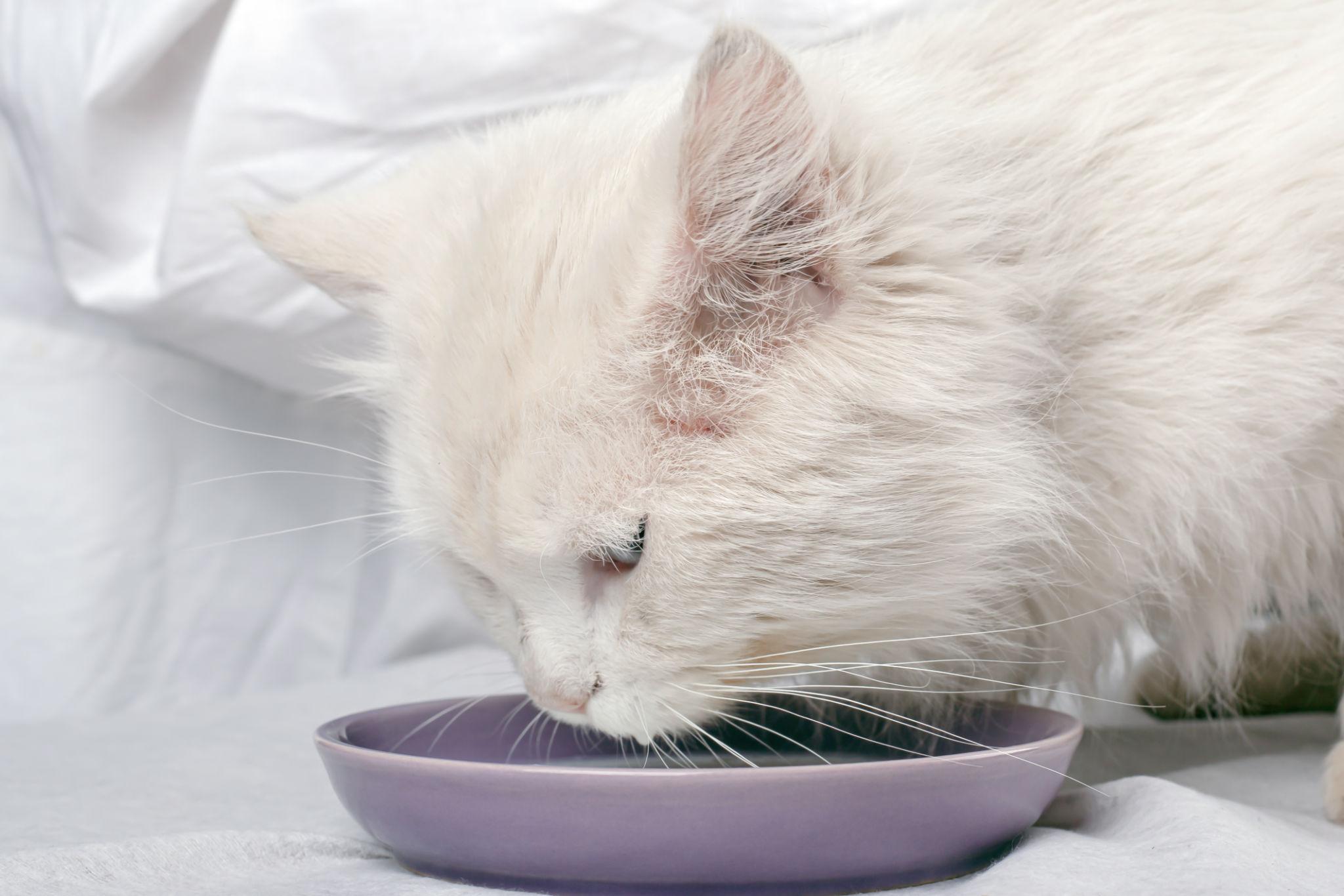
Why does my cat sneeze after drinking water?
A small amount of water may occasionally irritate the nose if your cat drinks quickly or lowers its face deeply into the bowl. Repeated sneezing after eating or drinking, difficulty swallowing, coughing, gagging, or liquid coming from the nose should be evaluated by a veterinarian.
Can stress cause a cat to start sneezing?
Stress does not directly place dust inside the nose, but it may contribute to flare-ups in cats carrying certain respiratory viruses. Boarding, moving, introducing a new pet, or major routine changes may occur shortly before symptoms reappear.
Will my cat’s sneezing go away on its own?
Sneezing caused by a brief irritant may stop once the irritant is gone. Mild respiratory illness may also improve, but it is not possible to predict the cause from sneezing alone. Contact your veterinarian if symptoms persist, worsen, or occur with discharge, appetite loss, eye problems, lethargy, or breathing changes.
What can I give my cat for sneezing?
Do not give your cat human medicine or leftover pet medication. You can provide fresh water, a clean environment, gently warmed food, and carefully controlled humidity while contacting your veterinarian. Medication should be selected according to the diagnosed cause.
Veterinary Disclaimer
This article is intended for general educational purposes and does not replace examination, diagnosis, or treatment by a qualified veterinarian. Contact your veterinarian for advice about your individual cat. Seek urgent veterinary care if your cat has open-mouth breathing, severe breathing effort, blue or pale gums, collapse, heavy bleeding, or rapidly worsening symptoms.
Final Thoughts: Why Does My Cat Keep Sneezing?
When you find yourself asking, “Why does my cat keep sneezing?”, begin by looking at the frequency of the sneezing and your cat’s overall condition. One or two sneezes may simply mean that dust or another harmless particle briefly irritated the nose.
Repeated sneezing, however, should not be ignored—especially when it appears with watery eyes, nasal discharge, congestion, appetite loss, lethargy, blood, facial swelling, or changes in breathing. Upper respiratory infections are common, but dental disease, chronic inflammation, foreign material, polyps, fungal disease, and other conditions can cause similar symptoms.
Remove possible household irritants, keep your cat comfortable, monitor changes carefully, and contact your veterinarian when symptoms continue or become more serious. Early attention can protect your cat’s breathing, appetite, comfort, and long-term health.
Help Your Cat Breathe More Comfortably
Explore our cat-care resources and carefully selected essentials designed to support a cleaner, calmer, and more comfortable home for your feline companion. For persistent sneezing or any concerning symptoms, always speak with your veterinarian first.

Leave a comment
This site is protected by hCaptcha and the hCaptcha Privacy Policy and Terms of Service apply.