

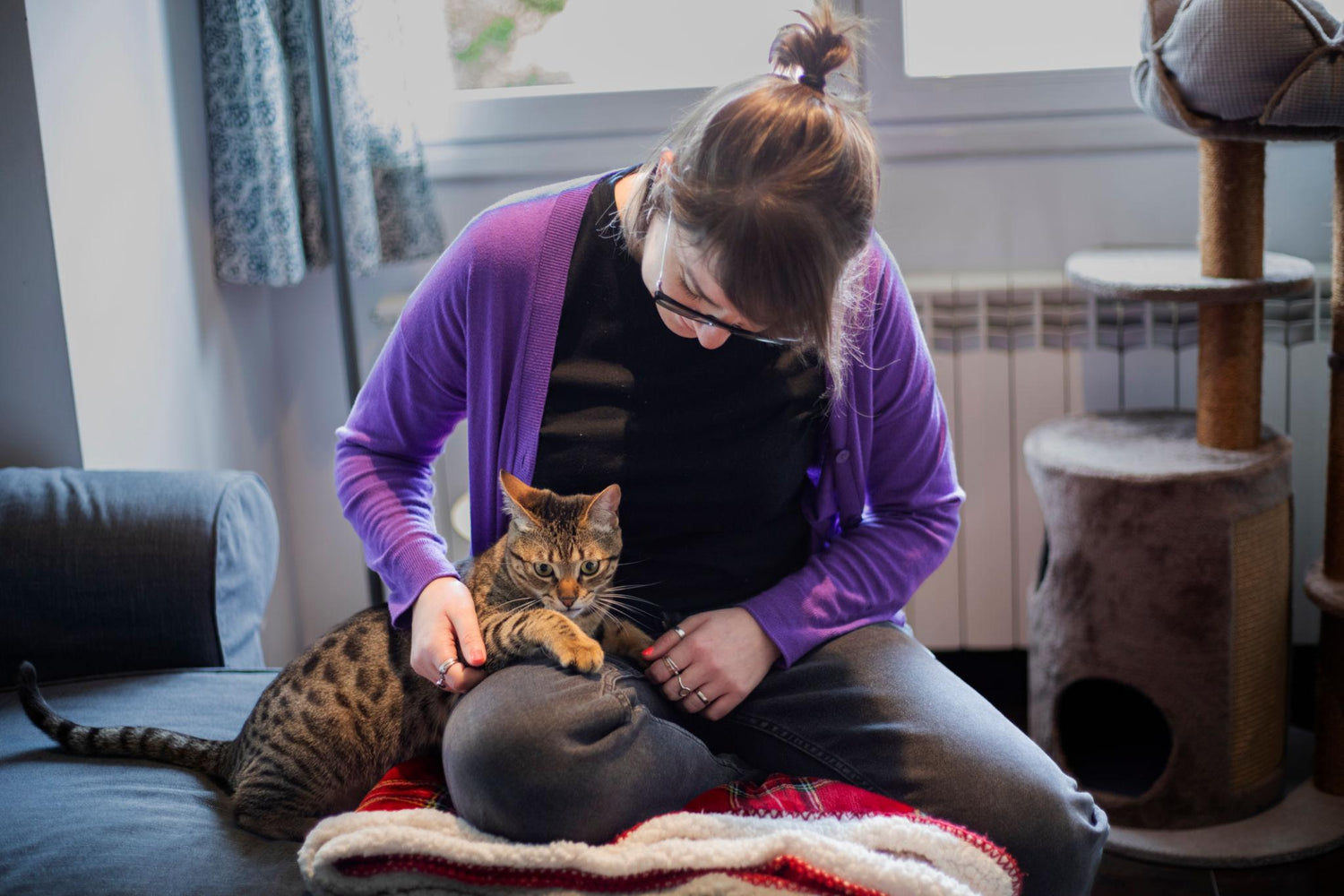
How Long Do Cats Live Up To? Lifespan, Health Conditions, and Care Guide
Cats can become part of the family for many years, which is why one of the most common questions cat owners ask is, “How long do cats live up to?” The answer depends on the cat’s lifestyle, health, breed, genetics, diet, and level of veterinary care.
On average, most domestic cats live between 12 and 18 years. Many indoor cats can live into their early twenties, and some rare cats have lived much longer. A safe home, healthy food, regular vet checkups, daily activity, and early treatment of health problems can all help a cat live a longer and more comfortable life.
How Long Do Cats Live Up To?
Most cats live up to 12 to 18 years, but many healthy indoor cats can live up to 20 years or more. Some cats reach 22, 23, or even 25 years with excellent care. A very small number of cats have lived into their 30s, but that is rare.
A cat’s lifespan is not based on age alone. Two cats of the same age can have very different health conditions. One may still be active and playful at 15, while another may need senior care earlier. The biggest difference often comes from daily care, living environment, and medical attention.
Indoor cats usually live longer because they are protected from many outdoor dangers. Outdoor cats face more risks, including traffic, predators, fights with other animals, infections, parasites, poison, and harsh weather. This does not mean every outdoor cat will have a short life, but the risks are much higher.
Average Cat Lifespan by Lifestyle
Indoor cats often live around 13 to 20 years because they have a safer environment. They are less exposed to accidents, contagious diseases, and outdoor injuries.
Outdoor cats may live around 2 to 10 years, depending on the area, traffic, predators, disease exposure, and weather conditions.
Indoor-outdoor cats may live around 8 to 15 years. Their lifespan can vary because they get some protection at home but still face outdoor risks.
How Long Do Cats Live With Calicivirus?
Cats with calicivirus can still live a normal lifespan if the infection is mild, treated early, and does not cause long-term complications. Many cats recover from feline calicivirus and continue to live for 12 to 18 years or more.
Feline calicivirus is a contagious virus that commonly affects a cat’s upper respiratory system. It may cause sneezing, nasal discharge, eye discharge, fever, mouth ulcers, drooling, reduced appetite, and tiredness. Some cats recover within days or weeks, while others may become carriers and shed the virus for longer periods.
A cat’s lifespan with calicivirus depends on the severity of infection, age, immune health, vaccination status, and access to veterinary care. Kittens, senior cats, and cats with weak immune systems may have a higher risk of complications. Severe cases can lead to pneumonia, painful mouth inflammation, or chronic respiratory issues.
With proper care, many cats live a long life after calicivirus. Supportive treatment may include hydration, soft food, medication for secondary infections, pain relief for mouth ulcers, and isolation from other cats during contagious periods.
How Long Do Cats Live in the UK?
Cats in the UK commonly live around 11 to 18 years, depending on breed, lifestyle, and health care. Recent UK companion cat research estimated average life expectancy at birth at around 11.7 years, with female cats living longer than males on average.
Indoor UK cats may live into their late teens or early twenties. Outdoor UK cats may still live long lives, but they face risks such as road accidents, fights, parasites, and infections. Breed can also make a difference. Some breeds tend to live longer, while others may have shorter average lifespans due to genetic health risks.
For UK cat owners, regular vet visits, vaccinations, neutering, parasite prevention, weight control, and safe outdoor access can all support a longer life.
How Long Do Cats Live With Kidney Disease?
Cats with kidney disease can live from a few months to several years after diagnosis. The answer depends heavily on the stage of kidney disease, how early it is found, and how well the cat responds to treatment.
Chronic kidney disease is common in older cats. In early stages, some cats may live two to three years or longer with proper management. In advanced stages, life expectancy may be much shorter, sometimes less than six months.
Signs of kidney disease may include increased thirst, frequent urination, weight loss, poor appetite, vomiting, bad breath, dehydration, dull coat, and weakness. Since early kidney disease can be hard to notice, routine blood and urine tests are very important for senior cats.
Treatment may include a kidney-support diet, hydration support, blood pressure control, medication for nausea, appetite support, and regular monitoring. The goal is not always to cure the disease, but to slow progression and keep the cat comfortable.
A cat with kidney disease can still enjoy a good quality of life when the condition is managed properly.
How Long Do Cats Live in Mewgenics?
The phrase “how long do cats live in Mewgenics” usually refers to the game or breeding simulation concept called Mewgenics, not real-life veterinary data. In real life, Mewgenics is not a recognized cat breed with official lifespan records.
If someone is asking about cats in the game, lifespan depends on the game’s rules and mechanics. If someone is asking about real cats from selective breeding, then the lifespan would depend on genetics, health screening, diet, lifestyle, and veterinary care.
For real domestic cats, the general lifespan remains around 12 to 18 years, with many indoor cats reaching 20 years or more. Since Mewgenics is not a standard real-world breed category, it is better not to treat it like Siamese, Burmese, Persian, Ragdoll, or Maine Coon lifespan data.
How Long Do Cats Live With Diabetes?
Cats with diabetes can live for many years when the condition is diagnosed early and managed properly. Diabetes does not always mean a short life. Many diabetic cats continue to enjoy a good quality of life with insulin therapy, diet control, weight management, and regular veterinary monitoring.
Some cats may even go into diabetic remission, meaning their blood sugar becomes controlled without insulin for a period of time. Remission is more likely when treatment begins early and blood glucose is managed carefully.
A diabetic cat’s lifespan depends on the cat’s age, weight, overall health, response to insulin, diet, and any other conditions. Cats with untreated diabetes can become very sick, but cats that receive proper treatment can often live several more years.
Signs of diabetes in cats may include increased thirst, frequent urination, weight loss despite eating, increased hunger, weakness, poor coat condition, and walking unusually on the back legs.
Daily care may include insulin injections, blood glucose checks, a vet-approved diet, weight control, and regular checkups. A consistent routine is very important for diabetic cats.
What Factors Affect How Long Cats Live?
Several factors can influence how long a cat lives. Some are genetic, but many are connected to daily care.
Diet plays a major role. Cats need balanced nutrition with enough protein, essential nutrients, and clean water. Poor diet and overfeeding can lead to obesity, diabetes, heart problems, and joint pain.
Weight control is also important. Overweight cats have a higher risk of diabetes, arthritis, breathing problems, and liver disease. Underweight cats may also have hidden health issues.
Veterinary care helps detect problems early. Annual checkups are helpful for adult cats, while senior cats may need checkups more often.
Dental health should not be ignored. Dental disease can cause pain, infection, poor appetite, and other health issues.
Exercise keeps cats active and supports healthy muscles, joints, and weight. Indoor cats benefit from cat trees, scratching posts, wall shelves, window perches, tunnels, and daily play.
Stress can also affect a cat’s health. Cats feel safer with routine, quiet resting spaces, clean litter boxes, and a comfortable home environment.
Indoor Cat Lifespan vs Outdoor Cat Lifespan
Indoor cats usually live longer because they are protected from outside dangers. They are less likely to be hit by cars, attacked by animals, exposed to contagious disease, or harmed by toxic substances.
Outdoor cats may enjoy more freedom and stimulation, but they face more risks. A safer option is controlled outdoor access through a catio, harness walk, enclosed garden, or supervised outdoor time.
For cat owners who want their cats to enjoy enrichment without high outdoor risk, indoor climbing furniture, cat wall shelves, scratching posts, and window perches can help create a more active and interesting environment.
How to Help Your Cat Live Longer
To help your cat live longer, focus on prevention, comfort, and early care.
Feed your cat a balanced diet suitable for their age and health needs. Keep fresh water available every day. Watch portion sizes and avoid letting your cat become overweight.
Visit the vet regularly, even when your cat seems healthy. Cats often hide pain and illness, so routine exams can catch problems early.
Keep vaccinations and parasite prevention updated. This is especially important for cats that go outdoors or live with other cats.
Provide daily activity. Cats need climbing, scratching, playing, hiding, and exploring opportunities. A bored cat may become inactive, stressed, or overweight.
Create a safe home. Remove toxic plants, secure windows, keep harmful chemicals away, and provide clean litter boxes.
Pay attention to behavior changes. Sudden changes in appetite, drinking, urination, grooming, energy, or mood should be checked by a vet.
Signs Your Cat Is Getting Older
As cats age, they may sleep more, move more slowly, jump less, groom less, lose muscle, gain or lose weight, or become more vocal. Some senior cats may develop arthritis, dental disease, kidney disease, thyroid problems, diabetes, or vision and hearing changes.
Senior cats often need extra comfort. Soft bedding, easy-access litter boxes, lower climbing steps, warm resting areas, and regular vet checks can make aging easier.
Final Thoughts
So, how long do cats live up to? Most cats live around 12 to 18 years, while many indoor cats can live into their twenties. Cats with calicivirus, kidney disease, or diabetes may still live meaningful and comfortable lives, especially when the condition is found early and managed with veterinary care.
The best way to support a long cat life is to provide a safe indoor environment, healthy food, regular vet visits, exercise, mental stimulation, and quick attention to health changes. With the right care, your cat can enjoy many happy years by your side.


Leave a comment
This site is protected by hCaptcha and the hCaptcha Privacy Policy and Terms of Service apply.